Among the most beautiful stages in a woman's life is the pregnancy stage, when a woman feels joy and excitement about the arrival of her new baby.
However, this stage may bring some health problems and pains, so women must search for effective and appropriate solutions for them.
One of the most prominent solutions available is the use of a pregnancy back patch, which helps relieve pain and improve the condition and health of women.
In this article, we will talk about the experience of women with a back patch during pregnancy, and how it can be effective in relieving pain and feeling comfortable and relaxed.
Maine tried back patch for pregnancy benefit me
If a woman is pregnant, she may suffer from some aches and pains in the back area.
Thus, you may choose to use a back plaster for pain relief.
But have you thought about trying it? The back patch is an adhesive tape that contains various components, such as thermal pads, analgesics and natural extracts, depending on the type and brand.
It works by placing the patch directly on the skin in the area of pain.
Its effectiveness lasts from XNUMX to XNUMX hours.
Studies have shown significant pain relief for a group of pregnant women who used it.
It's also generally safe, with some potential for allergic reactions and minor skin irritations.
Before use, pregnant women should consult their physician.
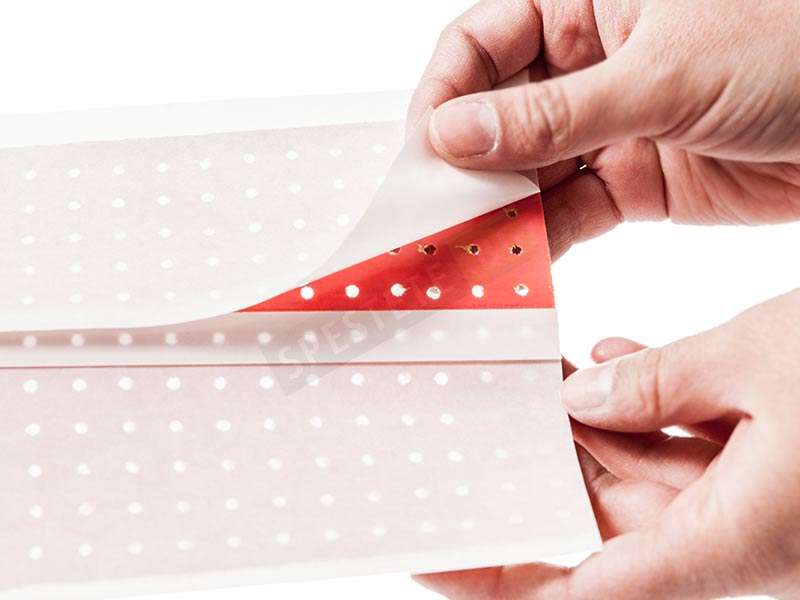
Definition of the back patch for pregnancy and its benefits
A pregnancy back patch is a medical product that is applied to the skin to relieve back pain during pregnancy.
This patch consists of a group of natural ingredients including essential oils and soothing herbs, and is considered safe to use during pregnancy.
The back patch provides many benefits for pregnant women.
First, they help relieve back pain from pregnancy, which can be tiring and annoying.
Thanks to its unique composition, this patch helps in soothing the muscles and reducing inflammation and swelling in the affected area.
Secondly, the back patch provides a feeling of relaxation and well-being, which helps improve mood and relieve stress and anxiety caused by pregnancy.
It also gives pregnant women a chance to rest and recuperate, especially during difficult and tiring days.
A pregnancy back patch is a safe and effective option for relieving back pain during pregnancy.
However, pregnant women should consult their physician before using them, to ensure that they are suitable for their health condition.
Reasons for resorting to using a back patch for pregnancy
Many women during pregnancy face various problems and pains in the back and muscles.
Therefore, some of them resort to using a back plaster as a way to relieve these pains and give relief.
There are several reasons why women need to use a back patch to get pregnant.
First, the patch helps relieve pregnancy-related back pain.
The increasing weight of the fetus and changes in the balance in the body may lead to severe pain in the back area, and here comes the role of the patch in relieving these pains and relieving pressure on the spine.
Secondly, the patch helps improve circulation and relax muscles.
The natural ingredients in the patch work to improve blood flow in the affected area, which leads to reducing swelling and inflammation and relieving pressure on the muscles.
Third, the patch is a safe and effective way to relieve pain without the need for harmful medications.
Without the patch, women may have to rely on pain killers, which may have negative side effects on the fetus and the mother.
The basic ingredients of the pregnancy back patch work for me
It is very important to know the basic ingredients of the patch before using it for pregnancy purposes.
The most popular patch contains several compounds that work together to relieve back pain and provide comfort for pregnant women.
These ingredients include menthol, camphor, and cayenne pepper.
Menthol is a natural ingredient used to relieve pain and stimulate blood circulation.
It works to calm the muscles and reduce spasms in the back area.
As for camphor, it has anesthetic and anti-inflammatory properties, and works to reduce pain and swelling in the affected area.
As for hot pepper, it is a natural stimulant that stimulates blood circulation and relieves pain.
It is worth noting that these natural ingredients are safe for external use and do not have dangerous side effects.
However, some people may experience special skin reactions.
Therefore, before using the patch, it is advised to perform a test on a small area of the skin to ensure that there is no allergic reaction or allergy.
How to use a back patch for pregnancy It works for me correctly
The method of using the back patch for pregnancy is useful to me correctly is one of the most important points to pay attention to.
To get the best results and avoid any unwanted side effects, you must follow the right steps.
First, before applying the patch, the skin should be thoroughly cleaned and gently dried with a clean towel.
Then the protective film is removed from the patch and placed gently on the skin, so that it is located on the lower back.
Secondly, make sure to press the patch gently on the skin to make sure it sticks well.
You can use your hand to gently rub the patch for a few seconds to make sure it is properly attached.
Third, after applying the patch, you should avoid direct moisture on it for at least 24 hours.
Therefore, it is best to avoid showering or exposing the patch to water during this period.
Finally, you must follow the instructions for use on the packaging and adhere to the recommended dosage.
If any abnormal side effects appear, you should consult your doctor before continuing to use the patch.
Remember that the use of the back patch for pregnancy should be under the supervision of a specialist doctor, and avoid excessive or wrong use.
Following the instructions and disposing of the patch properly after the prescribed period of use has expired are important for your safety and health.
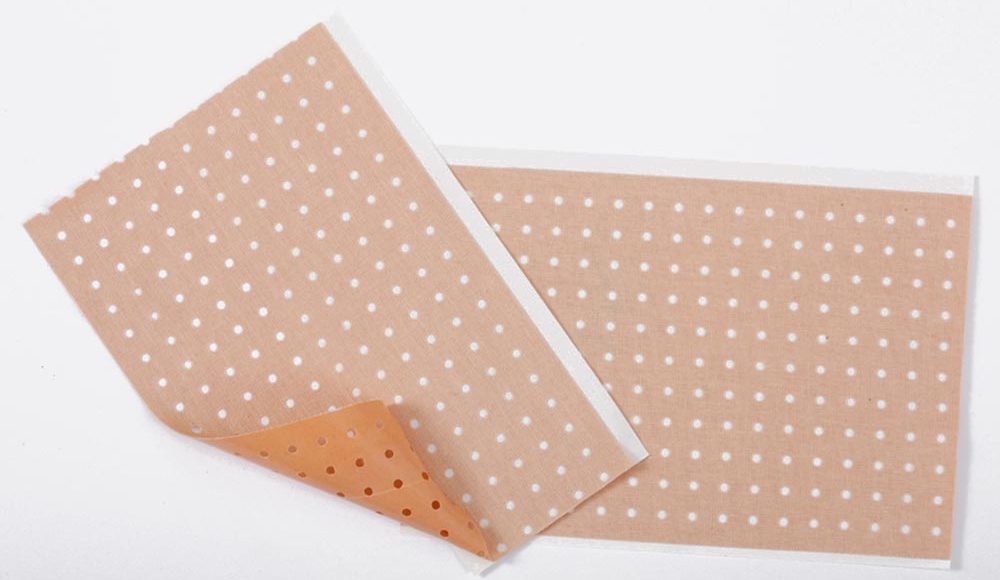
The amount of time required for the patch to take effect
After using the pregnancy back patch works for me, you will start to feel its effect gradually.
However, you should be aware that the effect of the sticker takes some time to activate.
It usually takes about 30-60 minutes for the medicine to start enjoying its full effect and pain relief.
You must be patient and wait for the medicine to give enough time to be absorbed and interact with the body.
However, the duration of the effect can vary from person to person, as it depends on several factors such as the type of patch and how sensitive the body is to the ingredients in it.
Therefore, you may sometimes need to wear the patch for longer until you feel a significant improvement in your pain.
It is essential that you follow the instructions on the packaging and take the patch according to the prescribed dose.
It is also advised not to use the patch for a long time without consulting a doctor.
The side effects of a back patch during pregnancy benefit me:
Common side effects of the pregnancy back patch include some of the effects that may appear on the skin after using the patch.
Examples of these effects, which usually disappear after a few hours, are irritation and redness in the patch area.
This irritation can be caused by skin sensitivity to some of the substances in the patch.
Although these side effects are often minor and temporary, if they persist or worsen, a doctor should be consulted.
Your doctor can provide additional directions on how to manage these side effects, or he or she may suggest using a different formulation of a patch that is more appropriate for sensitive skin.
Steps to take to minimize side effects
There are some steps that should be taken to reduce possible side effects when using the pregnancy back patch.
First and foremost, you must read the instructions for use carefully and follow them as specified.
Your hands should be clean and dry when applying the patch to the skin.
It is also advised to avoid using the patch on irritated or inflamed skin.
To ensure good adhesion of the patch, you can gently massage the area to be applied for about 30 seconds.
When the patch is applied, you should avoid overstretching it or applying it incorrectly, as this can irritate the skin.
Let's take care of our skin and keep it clean by using the back patch properly and carefully.
When do I put a back patch for pregnancy?
If you are considering using a pregnancy back patch, it is important to know when to apply it.
Although the final decision depends on the doctor's or pharmacist's recommendations, there are some general guidelines that can help you make the right decision.
Pregnancy back patches are usually applied a few days before you expect to ovulate and stay on the skin for 10 to 14 days.
This period is used because the patch is known to help enhance fertility and increase the chances of pregnancy.
It is also good to know that the patch can also be used during the pregnancy planning period and during the breastfeeding period.
They may be beneficial for women who suffer from back or muscle pain due to pregnancy.
My experience with the back patch for pregnancy It helps me
Based on my personal experience, I used the pregnancy back patch to help me and found it effective in relieving pregnancy pain.
Overall, the patch is a safe and easy-to-use option for getting relief during pregnancy.
I applied the patch correctly to my back based on the instructions provided, and left it on for two to ten days, depending on the recommendations of my doctors or health practitioner.
During this time, I noticed an improvement in my comfort and relief from back and joint pain.
It also contributed to reducing the feeling of fatigue and stress resulting from hormonal changes during pregnancy.
What also caught my attention was that there were no significant side effects or health problems caused by using the patch.
Is it permissible to take a shower when applying a back patch?
Bathing is an indispensable daily activity for many people.
However, there is a question that arises when applying a back patch, which is is it permissible to take a bath with it?
It depends on the type of patch and the instructions for use that come with it.
Typically, the patches are waterproof and are water-resistant and therefore may be used in the shower.
But you should make sure of this by reading the instructions for the patch before using it.
If the patch is not waterproof, showering with it should be avoided.
The patch may be affected by water and lose its effectiveness, and bathing with it may cause it to lose its adherence to the skin and thus fail to provide its desired effect.
In general, it is advised to ask any questions or doubts with the supervising physician before using the patch and bathing with it.
Proper medical directions are the key to maintaining your health and the safety of using a back patch.
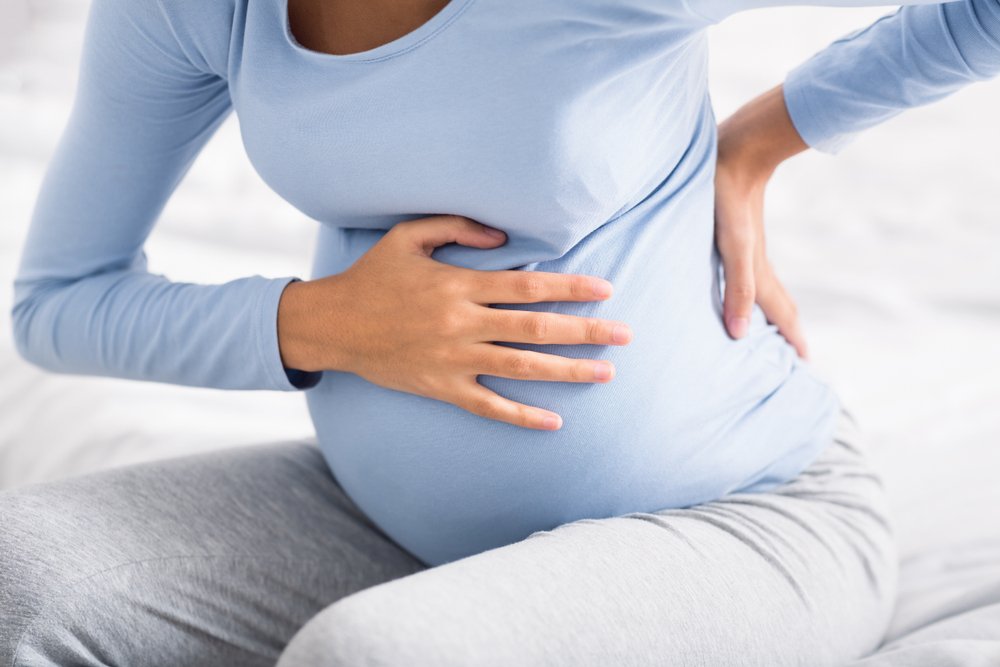
The back patch for pregnancy helps me back, how much is its price?
Many people search for the price of a pregnancy back patch that works for me, which is important before purchasing this product.
We should know that the price of the patch may vary according to the region.
But in general, back plaster can be found at average prices ranging from 20 to 50 riyals per package.
These prices can be acceptable for many people, especially when considering the benefits that this patch offers in relieving pregnancy pain and maintaining back and nerve health.
In addition, the quality and reliability of the product must be considered before purchasing, as choosing a lower quality product may affect the effectiveness of the desired treatment.
Therefore, it is advised to search and inquire about trusted brands and read other people's experiences before making a purchase decision.
Thus, people can get a high-quality back patch at an affordable price and thus benefit from its benefits.
Back patch for pregnancy for men
The back patch for pregnancy is a popular product and is mainly used by women. Can it be used by men as well? In fact, there is not enough information yet about the effectiveness of using the back patch for pregnancy in men.
This patch is usually specifically designed to meet the needs of women who suffer from pregnancy-related back pain.
However, consulting a medical professional before using any product is essential.
The doctor may provide helpful advice according to the person's condition.
Furthermore, it should also be noted that although there are no specific experiences of men using a back patch for pregnancy, there are other possible alternatives to relieve back pain and fatigue, such as massage or relaxation and muscle-strengthening exercises.
In the end, please refer to the specialist doctor for appropriate advice that suits the individual health condition.


